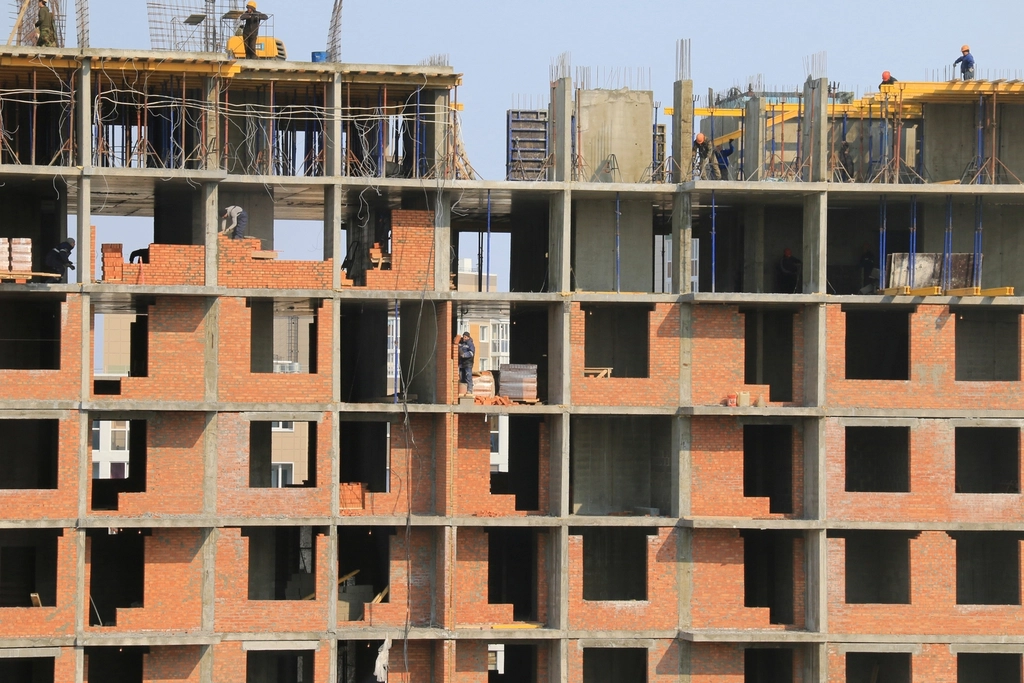
Economic Data Today: Durable Goods Climb 1.8%, New Home Sales Dip
Economic data today: September durable goods orders rose 1.8% to $345.4 billion, new home sales slipped 0.6% to 676,000, and Fed hike talk and AI borrowing costs in focus.
| Release (September 2026) | Result | Prior |
|---|---|---|
| Durable goods new orders | +1.8% to $345.4 billion (+$6.3 billion) | August (rev.): +0.1% |
| New home sales (SAAR) | 676,000, -0.6% m/m | August (rev.): 680,000 |
| New home sales, August change | +5.1% | n/a |
Two Census Bureau reports led the economic data today, giving a split picture: factory orders for big-ticket goods strengthened, while new-home sales eased slightly. Commentary on the Federal Reserve and AI-driven borrowing costs rounded out the day on the economic calendar.
Key takeaways
- Durable goods orders rose 1.8% in September, to $345.4 billion, and have increased in six of the last seven months.
- New single-family home sales fell 0.6% to a 676,000 annual rate, a change well inside the survey’s margin of error.
- A CNBC survey points to Fed rate hikes ahead, but not this week, according to the outlet.
- World Bank President Ajay Banga said capital availability is “not really an issue” even as AI demand lifts borrowing costs, per CNBC.
Durable goods orders accelerate
New orders for manufactured durable goods increased $6.3 billion, or 1.8%, to $345.4 billion in September, according to the Census Bureau’s advance report released at 8:30 a.m. Eastern. The gain is a sharp step up from August, which was revised to a rise of just 0.1%.
The report notes orders have risen in six of the last seven months. That run points to a sustained recovery in demand for long-lasting goods such as machinery and equipment. The release is an advance estimate, so the figures are subject to revision when the fuller manufacturers’ shipments, inventories and orders report arrives.
What to watch: whether the September jump is revised, and whether the pace of increase holds in October after a nearly flat August.
New home sales edge lower
Sales of new single-family houses ran at a seasonally adjusted annual rate of 676,000 in September, the Census Bureau reported at 10:00 a.m. Eastern. That is 0.6% below the revised August estimate of 680,000.
The monthly decline is small relative to the noise in the series. The agency puts the margin of error on the change at plus or minus 13.8%, so the September reading is statistically indistinguishable from August. The report also shows August’s revised change at +5.1%, meaning the housing data entered September with some momentum before flattening out.
For builders and prospective buyers, the takeaway is stability rather than a turn: sales held near the prior month’s pace. New-home sales figures are routinely revised, and the next release will show whether August’s level holds.
Fed hikes expected, but not this week
According to a CNBC survey published Tuesday, rate increases from the Federal Reserve are coming, but not at this week’s policy gathering. The survey’s framing suggests respondents see policymakers holding steady for now while the debate shifts to timing of the next move.
For households and businesses with variable-rate debt, the message is that borrowing costs are more likely to rise than fall over the coming months, although the survey headline does not by itself settle when. Investors and economists will look to the Fed’s post-meeting communication for guidance on that timing.
Banga: capital is available, but AI is pushing up costs
World Bank President Ajay Banga said the availability of capital is “not really an issue,” even as demand tied to artificial intelligence drives up borrowing costs, according to CNBC. The comment draws a line between the supply of funding and its price: money may be obtainable, but at a higher cost.
That distinction matters for developing economies that compete for financing with large technology-linked borrowers. Rising rates tend to hit countries with heavy debt service obligations hardest.
What’s next
With durable goods demand firming and housing flat, attention shifts to the Fed’s decision and its signals on rate hikes. Further revisions to both Census series are due in upcoming releases.
Prepared with AI assistance from public sources and reviewed under our editorial policy. Not investment advice.