Economic data today: ECB leadership pick, US tariff pressure
Economic data today: CNBC reports Spain's Pablo Hernández de Cos is set to lead the ECB, and US tariff-hike threats press partners to sign trade deals.
| Item | Reported development | Outlet |
|---|---|---|
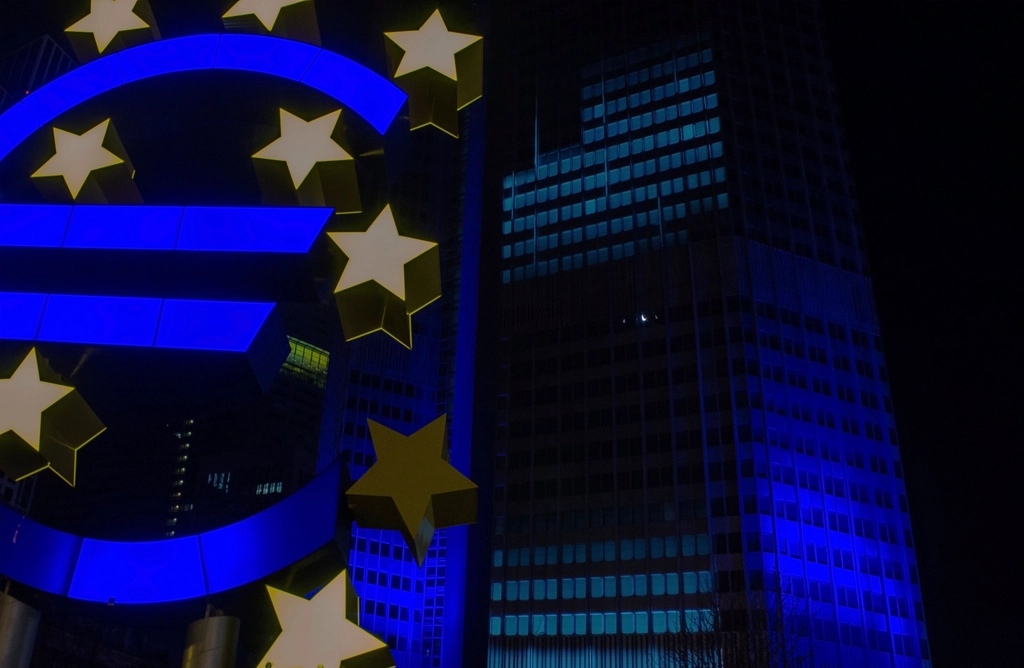
| ECB presidency | Spain’s Pablo Hernández de Cos set to lead the European Central Bank | CNBC |
| US trade policy | Threats of higher US tariffs increase pressure on partners to sign trade deals | CNBC |
No scheduled data releases drive the Thursday, Nov. 26 wrap in this report. Two policy stories lead the economic data today: a reported leadership choice at the European Central Bank and renewed US tariff threats aimed at trading partners.
Key takeaways
- CNBC reports that Spain’s Pablo Hernández de Cos is set to become the next president of the European Central Bank.
- CNBC also reports that US threats to raise tariffs are adding pressure on partner countries to conclude trade agreements.
- Both stories concern policy direction rather than a numerical data print. Neither report includes figures here.
ECB: Hernández de Cos set to take the helm
CNBC reported on Thursday that Pablo Hernández de Cos of Spain is set to lead the European Central Bank. The wording, “set to lead,” indicates the selection is expected rather than completed.
The ECB presidency is one of the most closely watched jobs in global finance. The holder chairs the central bank’s policy discussions and is its public voice on interest rates and inflation in the euro area. A change at the top draws attention from governments, banks and households across the currency bloc, because the ECB’s decisions affect borrowing costs throughout the region.
Readers should watch for the formal confirmation steps and for the first public remarks from the incoming president on policy priorities. Those remarks will show how much continuity or change to expect from the institution.
Trade: tariff threats raise the stakes for partners
In a separate report, CNBC said US threats to raise tariffs are piling pressure on trading partners to sign trade deals. The framing is that the prospect of higher duties works as leverage: countries that want to avoid them have an incentive to reach agreements.
For exporters and importers, this keeps trade policy a live planning risk. Companies that sell into the US market, and those that rely on imported goods, face uncertainty about the terms they will operate under until deals are signed or threats are carried out. Governments that are negotiating must weigh the cost of concessions against the cost of higher duties on their goods.
The next signals to watch are which partners move to finalize agreements, and whether the US follows through on the tariff increases it has threatened. Official statements from Washington and partner capitals will be the clearest guide.
What to watch next
Check the economic calendar for any central bank commentary in the coming sessions. The ECB leadership story will develop as the selection moves toward formal approval. On trade, the pace of deal announcements will indicate whether tariff threats are producing the agreements Washington wants.
Prepared with AI assistance from public sources and reviewed under our editorial policy. Not investment advice.